
Network availability
Resilience starts in the physical layer
Power paths, pathway separation, and verified cabling decide whether an enterprise network stays up. We look at those foundations before anything goes live.
Failure modes
Where availability breaks down
Most outages trace back to a few predictable weak points. Naming them early lets planning address power, latency, and structure together.
Power anomalies
Uneven power distribution and unconditioned supply can cause sudden equipment resets. Dedicated circuits and documented load balancing reduce that exposure.
Latency spikes
Congested or poorly routed links create intermittent slowdowns that look like application faults. Clear segmentation and capacity mapping isolate the source.
Structural downtime risk
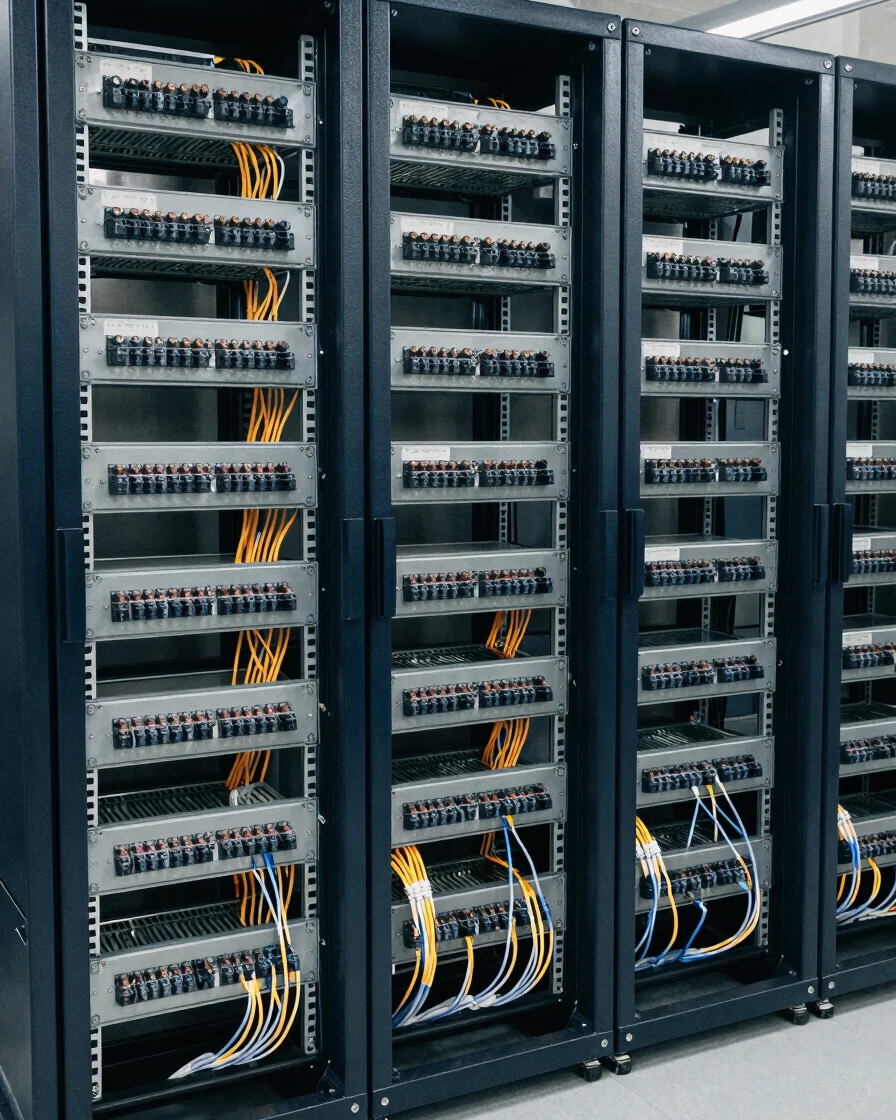
Cable runs routed through congested or unmanaged spaces are exposed to damage during maintenance. Structural review before installation limits those failures.
Verification method
Inspection before installation
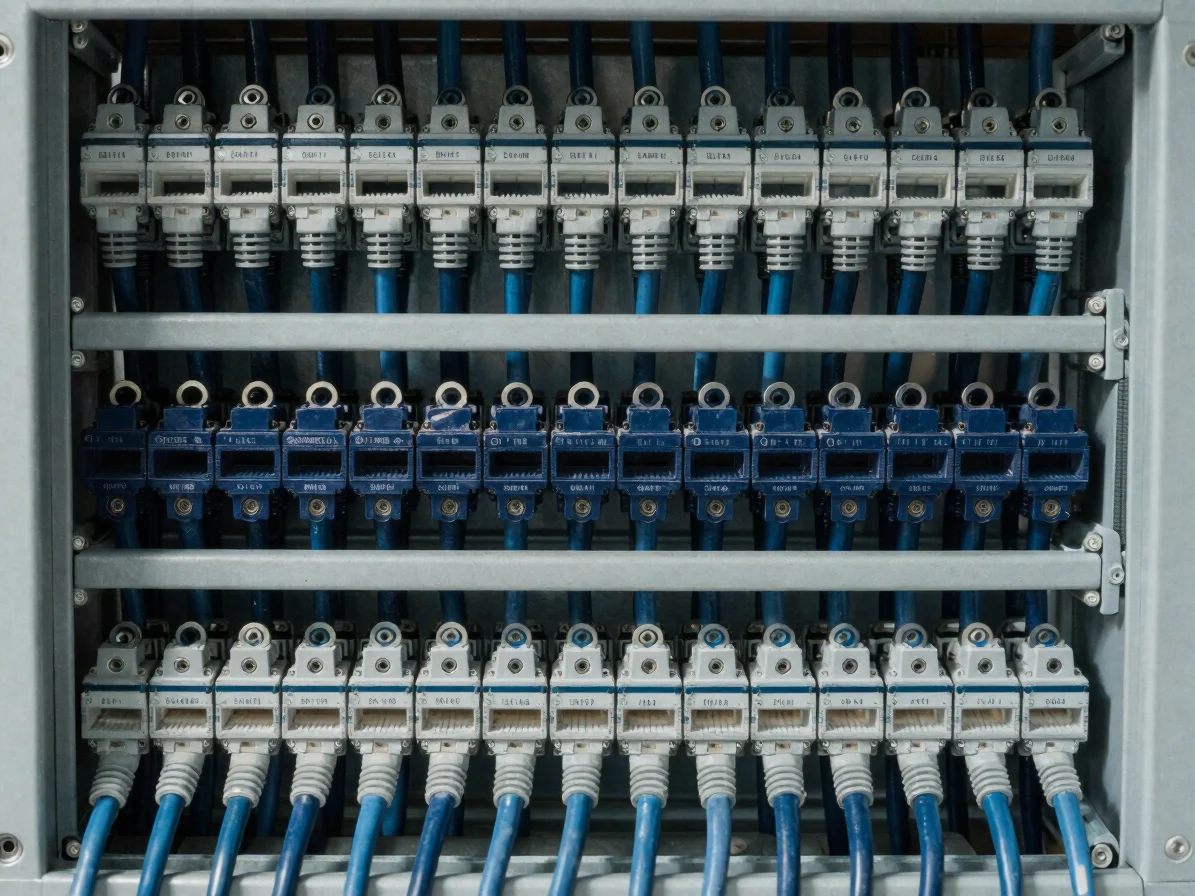
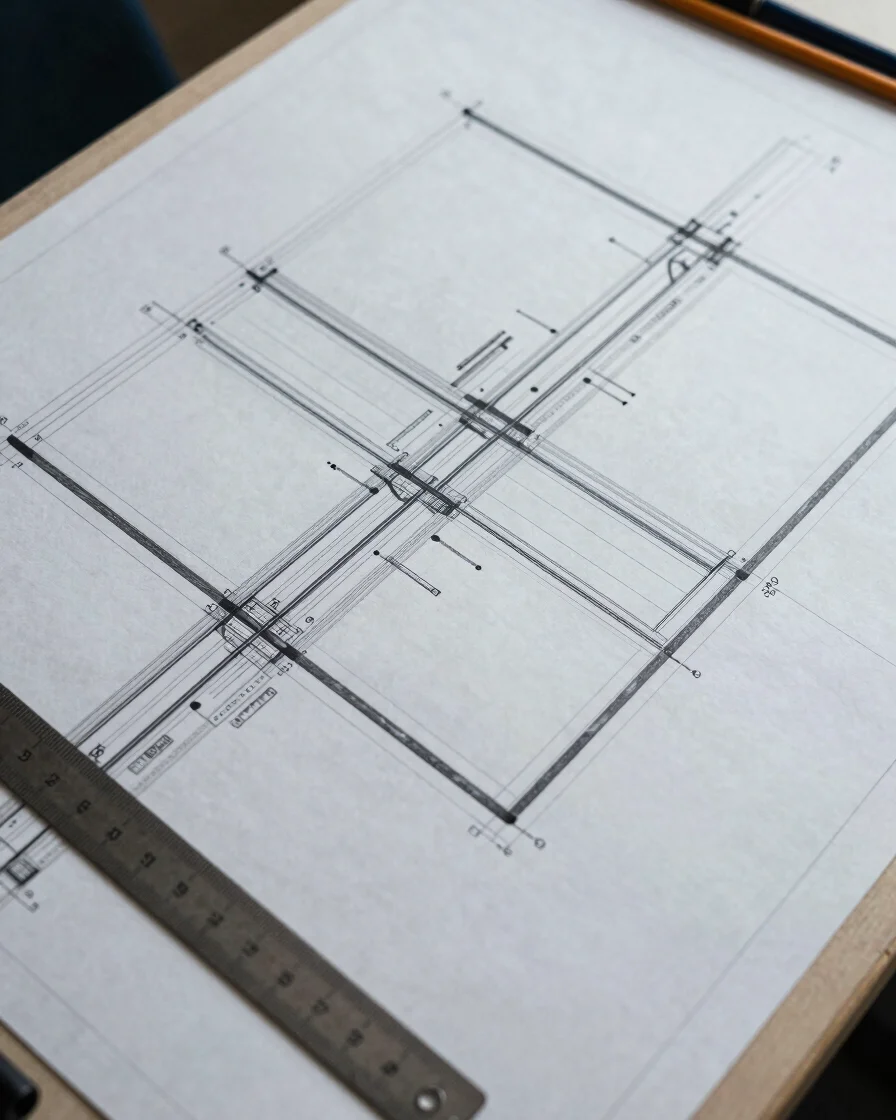
Each pathway is checked for separation between power and data runs, and for bend radius and thermal clearance. Documented results go back to the planning team before cabling starts.
Segmented pathways and controlled thermal conditions protect cable performance over long service lives. Verification finds latent faults while they are still cheap to fix.